What is Big Think?  

We are Big Idea Hunters…

We live in a time of information abundance, which far too many of us see as information overload. With the sum total of human knowledge, past and present, at our fingertips, we’re faced with a crisis of attention: which ideas should we engage with, and why? Big Think is an evolving roadmap to the best thinking on the planet — the ideas that can help you think flexibly and act decisively in a multivariate world.

A word about Big Ideas and Themes — The architecture of Big Think

Big ideas are lenses for envisioning the future. Every article and video on bigthink.com and on our learning platforms is based on an emerging “big idea” that is significant, widely relevant, and actionable. We’re sifting the noise for the questions and insights that have the power to change all of our lives, for decades to come. For example, reverse-engineering is a big idea in that the concept is increasingly useful across multiple disciplines, from education to nanotechnology.

Themes are the seven broad umbrellas under which we organize the hundreds of big ideas that populate Big Think. They include New World Order, Earth and Beyond, 21st Century Living, Going Mental, Extreme Biology, Power and Influence, and Inventing the Future.

Big Think Features:

12,000+ Expert Videos

1

Browse videos featuring experts across a wide range of disciplines, from personal health to business leadership to neuroscience.

Watch videos

World Renowned Bloggers

2

Big Think’s contributors offer expert analysis of the big ideas behind the news.

Go to blogs

Big Think Edge

3

Big Think’s Edge learning platform for career mentorship and professional development provides engaging and actionable courses delivered by the people who are shaping our future.

Find out more
Close

Researchers Show Fear Can Be Erased in the Brain

September 23, 2012, 2:40 PM
Fear%202%20ss

What's the Latest Development?

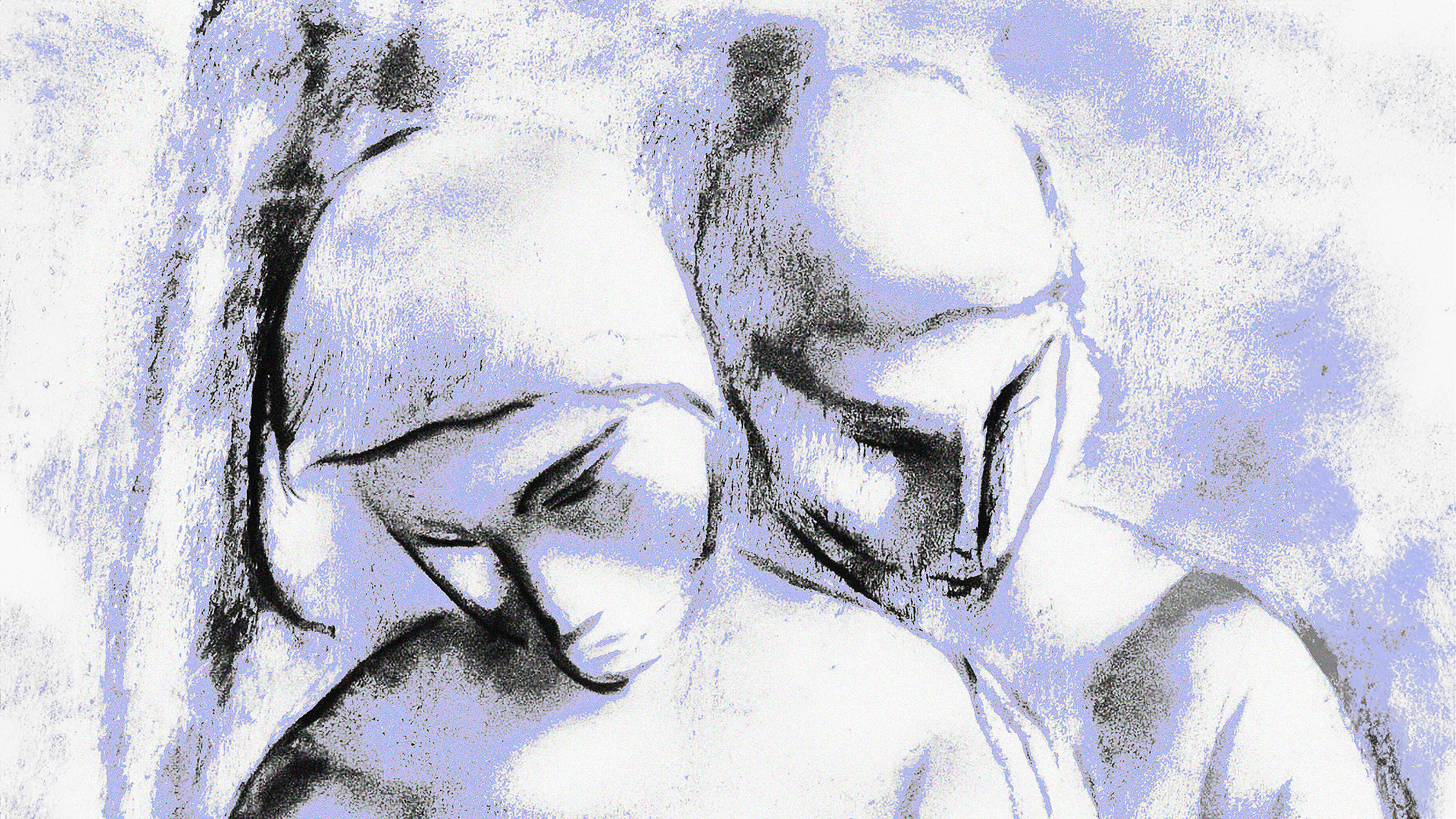
In laboratory settings, scientists created a fearful memory in the minds of volunteers and then erased it, opening new possibilities for the treatment of anxiety-related conditions. The experiment involved the establishment of a fearful memory by associating a picture with an electric shock. Thus when the picture was shown without the shock, volunteers remembered the shock and became afraid of the picture. In an experimental group, when the picture was presented over and over as part of a reconsolidation process, the volunteers did not express feeling afraid and the memory left the part of the brain that registers fear. 

What's the Big Idea?

The study reveals the malleability of our memories, which we often mistake for being photographic records of what actually happened. Instead, long-term memories are created through a process of consolidation. In other words, "it can be said that we are not remembering what originally happened, but rather what we remembered the last time we thought about what happened." Ultimately, the findings of the new research may lead to improved treatment methods for the millions of people in the world who suffer from anxiety issues like phobias, post-traumatic stress, and panic attacks. 

Photo credit: Shutterstock.com


Researchers Show Fear Can B...

Newsletter: Share: