What is Big Think?  

We are Big Idea Hunters…

We live in a time of information abundance, which far too many of us see as information overload. With the sum total of human knowledge, past and present, at our fingertips, we’re faced with a crisis of attention: which ideas should we engage with, and why? Big Think is an evolving roadmap to the best thinking on the planet — the ideas that can help you think flexibly and act decisively in a multivariate world.

A word about Big Ideas and Themes — The architecture of Big Think

Big ideas are lenses for envisioning the future. Every article and video on bigthink.com and on our learning platforms is based on an emerging “big idea” that is significant, widely relevant, and actionable. We’re sifting the noise for the questions and insights that have the power to change all of our lives, for decades to come. For example, reverse-engineering is a big idea in that the concept is increasingly useful across multiple disciplines, from education to nanotechnology.

Themes are the seven broad umbrellas under which we organize the hundreds of big ideas that populate Big Think. They include New World Order, Earth and Beyond, 21st Century Living, Going Mental, Extreme Biology, Power and Influence, and Inventing the Future.

Big Think Features:

12,000+ Expert Videos

1

Browse videos featuring experts across a wide range of disciplines, from personal health to business leadership to neuroscience.

Watch videos

World Renowned Bloggers

2

Big Think’s contributors offer expert analysis of the big ideas behind the news.

Go to blogs

Big Think Edge

3

Big Think’s Edge learning platform for career mentorship and professional development provides engaging and actionable courses delivered by the people who are shaping our future.

Find out more
Close

Gay Animals

April 4, 2010, 7:17 AM
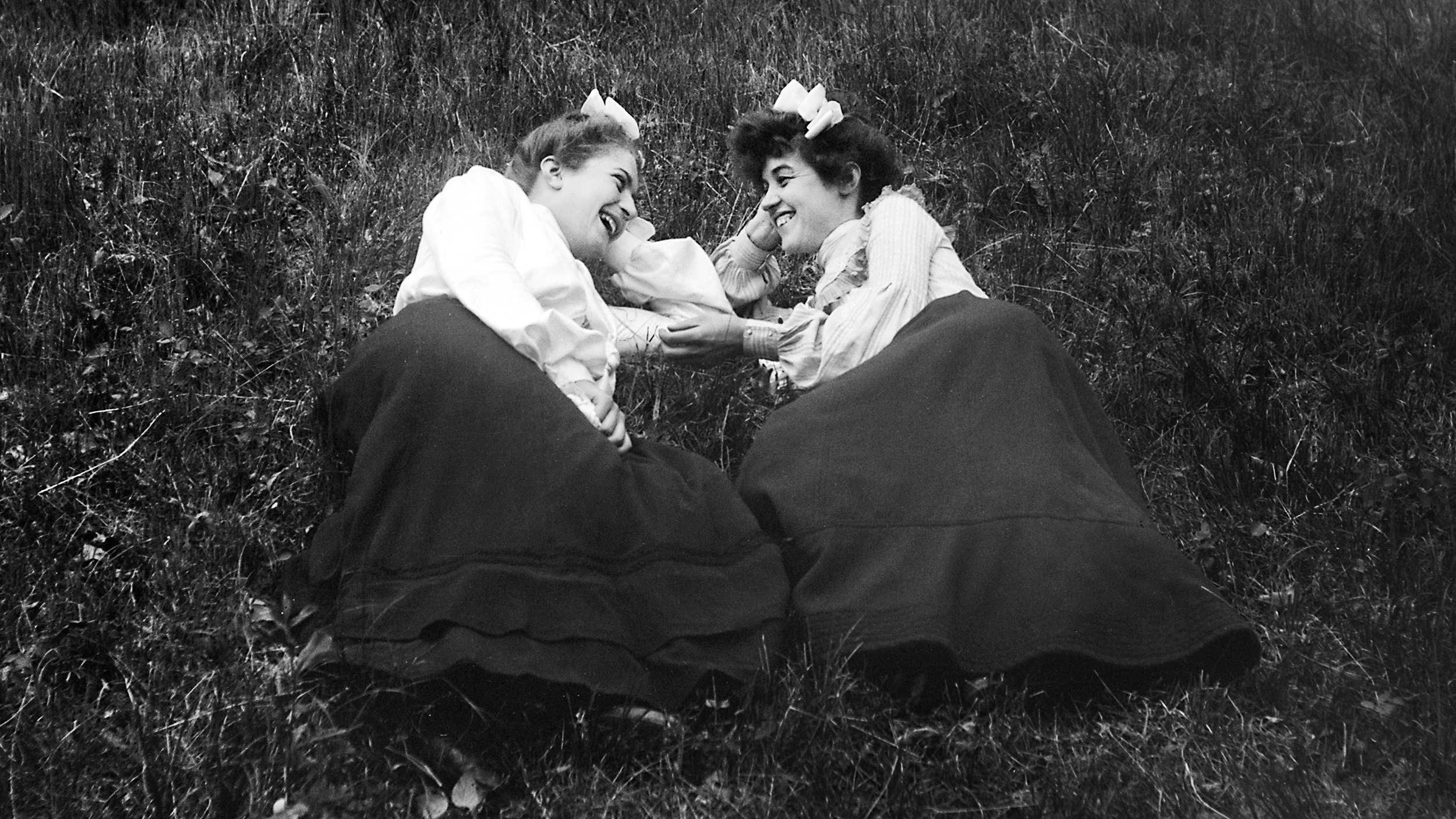
Homosexual activity has been documented in many animal species but labeling animals as gay carries social baggage that scientists want to keep out of their research. "Laysan albatrosses are one of countless species in which the two sexes look basically identical. It turned out that many of the female-female pairs...had been together for 4, 8 or even 19 years — as far back as the biologists’ data went, in some cases. The female-female pairs had been incubating eggs together, rearing chicks and just generally passing under everybody’s nose for what you might call 'straight' couples. Young would never use the phrase 'straight couples.' And she is adamantly against calling the other birds 'lesbians' too. For one thing, the same-sex pairs appear to do everything male-female pairs do except have sex, and Young isn’t really sure, or comfortable judging, whether that technically qualifies them as lesbians or not. But moreover, the whole question is meaningless to her; it has nothing to do with her research. ' ‘Lesbian,’ ” she told me, 'is a human term,' and Young — a diligent and cautious scientist, just beginning to make a name in her field — is devoted to using the most aseptic language possible and resisting any tinge of anthropomorphism."
 

Gay Animals

Newsletter: Share: