What is Big Think?  

We are Big Idea Hunters…

We live in a time of information abundance, which far too many of us see as information overload. With the sum total of human knowledge, past and present, at our fingertips, we’re faced with a crisis of attention: which ideas should we engage with, and why? Big Think is an evolving roadmap to the best thinking on the planet — the ideas that can help you think flexibly and act decisively in a multivariate world.

A word about Big Ideas and Themes — The architecture of Big Think

Big ideas are lenses for envisioning the future. Every article and video on bigthink.com and on our learning platforms is based on an emerging “big idea” that is significant, widely relevant, and actionable. We’re sifting the noise for the questions and insights that have the power to change all of our lives, for decades to come. For example, reverse-engineering is a big idea in that the concept is increasingly useful across multiple disciplines, from education to nanotechnology.

Themes are the seven broad umbrellas under which we organize the hundreds of big ideas that populate Big Think. They include New World Order, Earth and Beyond, 21st Century Living, Going Mental, Extreme Biology, Power and Influence, and Inventing the Future.

Big Think Features:

12,000+ Expert Videos

1

Browse videos featuring experts across a wide range of disciplines, from personal health to business leadership to neuroscience.

Watch videos

World Renowned Bloggers

2

Big Think’s contributors offer expert analysis of the big ideas behind the news.

Go to blogs

Big Think Edge

3

Big Think’s Edge learning platform for career mentorship and professional development provides engaging and actionable courses delivered by the people who are shaping our future.

Find out more
Close

Cyberwar Is Here (to Stay)

February 27, 2012, 5:29 PM
Cyberwar%20ss

What's the Latest Development?

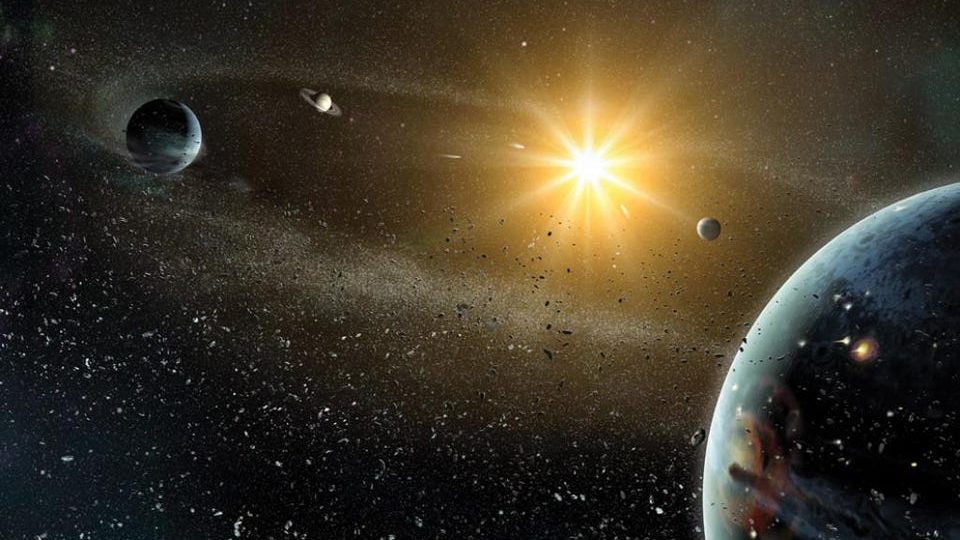
There are three principle kinds of cyber attacks, says US Navy defense analyst John Arquilla. Ones that accompany conventional fighting, as when Russian forces attacked the command and control of Georgia's military defenses as its tanks rolled into Tbilisi; standalone cyber attacks like the Stuxnet virus which infected Iranian nuclear facilities; and 'social netwar' where online communication networks are used to mobilize citizens in protest against their government, the most topical example of which is the Arab Spring. 

What's the Big Idea?

What are the risks of each kind of attack? Wherever substantial military offensives are undertaken, particularly when human lives are put at risk, cyber attacks will likely be used to soften the counteroffensive. Arquilla says standalone attacks are unlikely to cause any existential changes in global politics because of their limited nature and because of humanity's capacity to endure much worse fates, like the air raids of WWII. But just as the Spanish Civil War previewed coming air battles, our times forecast greater cyber wars.

Photo credit: shutterstock.com


Cyberwar Is Here (to Stay)

Newsletter: Share: