What is Big Think?  

We are Big Idea Hunters…

We live in a time of information abundance, which far too many of us see as information overload. With the sum total of human knowledge, past and present, at our fingertips, we’re faced with a crisis of attention: which ideas should we engage with, and why? Big Think is an evolving roadmap to the best thinking on the planet — the ideas that can help you think flexibly and act decisively in a multivariate world.

A word about Big Ideas and Themes — The architecture of Big Think

Big ideas are lenses for envisioning the future. Every article and video on bigthink.com and on our learning platforms is based on an emerging “big idea” that is significant, widely relevant, and actionable. We’re sifting the noise for the questions and insights that have the power to change all of our lives, for decades to come. For example, reverse-engineering is a big idea in that the concept is increasingly useful across multiple disciplines, from education to nanotechnology.

Themes are the seven broad umbrellas under which we organize the hundreds of big ideas that populate Big Think. They include New World Order, Earth and Beyond, 21st Century Living, Going Mental, Extreme Biology, Power and Influence, and Inventing the Future.

Big Think Features:

12,000+ Expert Videos

1

Browse videos featuring experts across a wide range of disciplines, from personal health to business leadership to neuroscience.

Watch videos

World Renowned Bloggers

2

Big Think’s contributors offer expert analysis of the big ideas behind the news.

Go to blogs

Big Think Edge

3

Big Think’s Edge learning platform for career mentorship and professional development provides engaging and actionable courses delivered by the people who are shaping our future.

Find out more
Close

Are Prisons Better than Nursing Homes for the Poor & Elderly?
May 25, 2012, 6:30 PM
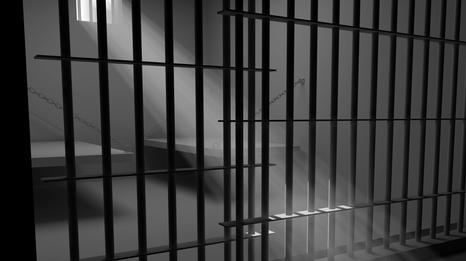
Prison%20cell%20ss

What's the Latest Development?

For individuals with no assets and no family, the possibility of being committed to a Federal prison may be more promising than landing in a government-funded nursing home. Prison, after all, is not without certain benefits: "Prison is cheap (if not free), provides a steady supply of food, a relatively high level of healthcare, and some social interaction. In the best situations, you could take classes for college credit, learn a new trade, or spend your days catching up on television." Becoming an inmate at a Federal prison located on a military base may be the best option, where one could work in clerical positions or even go the cinema. 

What's the Big Idea?

Unlike nursing homes, prisons must follow strict government regulations where inmates' rights and standards of care are meticulously outlined. "Prisoners have access to personal or public defenders, and, in some cases, fully stocked law libraries. The government is required to maintain a proper level of care for inmates, with prisoners free to make due process arguments concerning quality of life in an established manner." The quality of nursing homes, however, varies widely depending on the home, and because of steep costs, the elderly can lose all their assets just to pay for their last years of care. 

Photo credit: Shutterstock.com

 

Are Prisons Better than Nur...

Newsletter: Share: