“Overpopulation” Talk Is Pandering to Prejudice
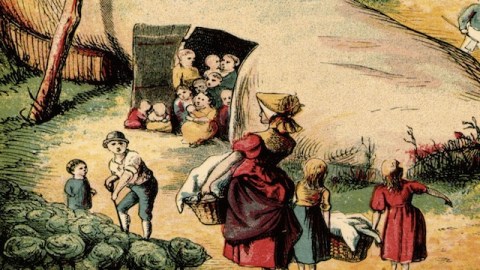
A few weeks back, the old-school anti-fertility group Optimum Population Trust issued its index of “overpopulated” nations. It names 77 countries which, it says, are “consuming more resources than they are producing and are dependent on other countries, and ultimately the Earth a whole, to make good the difference.” Singapore is ranked Number 1, the most overpopulated state, on their list. That’s the same Singapore that, as The Economist reported last month, works hard to get its citizens to have more children. Which is a nice illustration of the difference between political reality and a fantasy of “stabilization and gradual population decrease”. Among policymakers and social scientists, this idea is about as dead as the Soviet Union. It’s politically absurd and scientifically unjustified. Yet, as the Trust’s existence demonstrates, the notion persists in a certain kind of environmentalist.
In this and the next few posts, I’ll describe what I think is the real state of the debate about population and the environment. (After all, it’s “women and power” time here at Big Think, and all attempts to control fertility depend on how much power women have over their own bodies.)
First, though, let’s look at the real-world consequences of this fervent supposedly “green” belief that the world is being ruined by the sheer raw number of people on it. Some environmentalists clearly have closed their minds to any evidence to the contrary, and that makes life awkward for environmental organizations. As I’ve said elsewhere, to be a political advocate for sound science is hard—you work between the open-mindedness of your mission and the close-mindedness of your “base.”
This post and its successors are a case in point: I gathered this material for an article commissioned by OnEarth, the magazine of the Natural Resources Defense Council, one of the sleekest, smartest and most effective of environmental advocacy groups. The editors proposed the topic because, they told me, population growth was the single largest source of letters from their readers. They wanted an article that would clue those readers into the latest thinking and data on the issue—to bring them out of their 1970’s mindset (my words, not theirs, but that was the spirit).
We would, we decided, do this with some care: The article I wrote didn’t trumpet that familiar “population control” beliefs were wrong; it reported, truthfully, that other people, including some of the best minds at work in the field, had other ideas.
Did that article appear, sparking a lively and instructive debate? Reader, it did not.
The magazine’s publisher, I learned, decided the organization’s 1.2 million members couldn’t bear such news. Maybe he was right. What would have been the point of sending people word that their prejudices might be mistaken, if that only caused them to shut their ears (and, more importantly, their checkbooks)? I will say this, though: If you’re an NRDC member who fervently and angrily believes “overpopulation” is the key to all our troubles, please—please!—preach to me about the narrow-mindedness and ignorance of Tea Partiers and climate deniers. I love a good laugh as much as the next guy.
As for me, not having an organization’s rent to pay, I don’t have to pander to the supposedly enlightened views of supposedly high-minded people. In the next few posts, then, I will describe why I think population-reduction is a smug fantasy that lends itself easily to old-fashioned prejudices of race, class and gender—and, incidentally, why you should be skeptical about population projections from almost anyone, from the Optimum Population Trust to the United Nations. Stay tuned.